Vaping has altered the way smoke behaves in structures, and fire protection has not always kept pace. Facilities that appreciate student health, employee health, or general indoor air quality are including vape detectors to restrooms, locker rooms, stairwells, and even workplace quiet zones. The minute those devices get near the smoke alarm system, everyone has the exact same worry: are we about to trigger building-wide false evacuations whenever somebody uses an electronic cigarette?
The brief response is no, not if you design the combination thoroughly and appreciate the distinctions in between vape detection and traditional smoke detection. Vape alarms can work along with a fire alarm system, but they ought to not pretend to be simple smoke alarm. Treating them as similar is how you end up with stressed evacuations for behavior concerns that need to have been handled as discipline or HR conversations.
This post strolls through how to consider vape sensing units technically and operationally, how they behave compared to a traditional smoke detector, and how to tie them into life safety facilities without jeopardizing either school safety or office safety.
Why incorporate vape alarms at all?
Most facilities that contact vape alarm suppliers do it for one of 3 factors. First, schools want vaping prevention tools in restrooms, locker rooms, and vape-free zones that video cameras can not reach. Second, companies want to manage occupational safety issues and indoor air quality where nicotine, THC, or other aerosols are affecting employee health or equipment. Third, building operators want much better presence of indoor air quality in general, using air quality sensing units that can flag particulate matter from vaping, incense, or other sources.
On their own, stand‑alone vape alarms can text or e-mail staff, reveal informs in a web dashboard, or sound regional buzzers. That is practical, however it often leaves a space in response. When something is major enough to evacuate or to lock down access control points, you want occasions to stream through the same infrastructure that already handles fire and security.
The temptation is to just wire the vape detector into the smoke alarm panel as another smoke detector. That is the specific move that tends to produce incorrect smoke alarm system activations. The better approach is to deal with vape detection as an info source that can notify life security choices, not as a direct trigger for evacuation.
How vape detectors differ from standard smoke detectors
It assists to understand what the sensors are really seeing. Modern smoke detection has developed over decades, particularly in commercial fire alarm systems. Vape sensors are younger and use a various mix of sensor technology.
What classic smoke detectors look for
Most basic smoke detectors in industrial buildings are either photoelectric or ionization type. Both are tuned to thick combustion items from open fire or smoldering products. They are generally part of an addressable loop that reports to the smoke alarm control board. Sensitivity is defined and checked under codes such as NFPA 72 and associated low-cost air quality sensor standards.
Their job is focused and stringent: detect conditions that indicate a fire, as dependably and as early as possible, with acceptable resistance to annoyance signals like dust or steam.
What vape sensors really measure
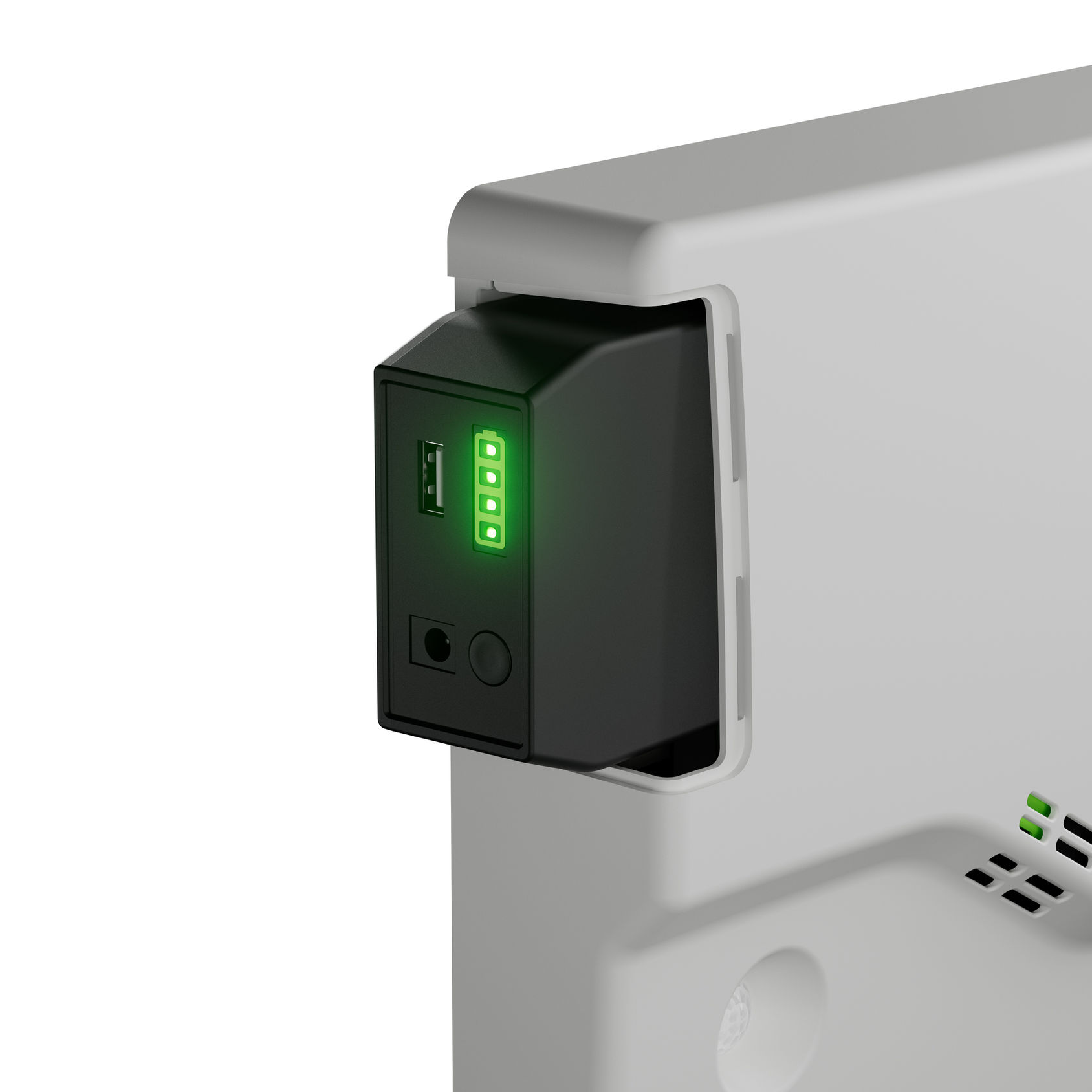
A vape detector or vape alarm, by contrast, is generally a multi‑sensor device. Common components consist of:
A particulate matter sensor that counts great particles (PM1, PM2.5, PM10) in the air. Gas or chemical sensors that react to volatile organic compound (VOC) concentrations. Sometimes, a nicotine sensor or algorithms for nicotine detection, using a type of machine olfaction based on discovered patterns. In some high‑end devices, THC detection signatures stemmed from specific VOC combinations or spectral analysis.Vaping aerosols consist of thick particulate matter and a mix of unpredictable natural compounds that look various from clean air however not identical to typical combustion smoke. Vape devices also pulse, rather than produce constant smoke. That pattern is among the essential signals vape detectors use.
Because these devices sit at the crossway of air quality sensor, indoor air quality monitor, and behavioral tracking tool, their firmware is highly tuned to differentiate vaping from other sources such as hair spray, deodorant, or steam from hand dryers and showers. The innovation is closer to an indoor air quality sensor with vaping analytics layered on the top than to a traditional smoke detector.
This distinction matters. A vape sensor is not accredited as a primary fire detection gadget. It needs to not, by itself, make evacuation choices for a building.
The threat of ignorant integration
It is entirely possible to wire a vape alarm dry contact output straight into a fire alarm zone input and stop. Technically, the emergency alarm system will see that as another initiating gadget and act accordingly. Virtually, you now have a behavioral sensing unit setting off a life safety event.
I have seen schools discover this the hard way. A well‑meaning integrator connected half a lots vape sensing units into a conventional panel. Within a month the school had 3 structure evacuations throughout exams, triggered by students checking the new devices with their e‑cigarettes. No actual fire, however lost teaching time and a fire department that began to question every call.
In workplaces, the issue repeats, simply with various stakes. A warehouse may close down operations, disrupt logistics, and incur genuine financial loss due to the fact that a single worker vaped in a restroom.
The root error is collapsing 2 very different event types into one binary signal: fire or no fire. A vape alarm should be an input to a broader decision, not the decision itself.
Key design objectives before you touch a wire
Before deciding how to connect a vape detector to a smoke alarm panel, it helps to jot down what success looks like for your building.
Here is a helpful brief checklist of design objectives:
Fire alarms must keep their integrity. Genuine fire events must never be postponed, concealed, or filtered by vape logic. Vape events must never directly activate complete structure evacuation. At most, they can contribute to multi‑factor reasoning in rare, well justified cases. Staff reaction must be clear. When a vape alarm triggers, the right people must understand who requires to do what, within seconds. Data should be useful. Historic vape alarm data ought to aid with vaping prevention strategies, not simply real‑time paging. The system should be manageable. Facility teams need to comprehend how to adjust limits, zones, and notification paths without rewriting the whole emergency alarm program.Those objectives sound simple, but they cut out a great deal of appealing shortcuts.
Understanding contemporary smoke alarm architectures
How you incorporate vape sensing units depends greatly on the architecture of the existing smoke alarm system and any related building systems like access control or security.
Conventional and addressable fire systems
Older or smaller structures often still run traditional zones. A zone input only understands whether something has entered into alarm or difficulty. In that world, tying in a vape alarm as if it were a smoke detector is particularly ill recommended, due to the fact that you have almost no nuance.
Addressable smoke alarm systems are better suited to wise integration. Each detector or module is recognized separately. Panels can compare smoke detector alarms, duct detectors, pull stations, and unique inputs. Some panels support customized event types with their own logic, which is ideal for vape detectors.
If you can designate vape alarms to a distinct occasion category, you can pick to:
- Log them and notify staff via supervisory or pre‑alarm indicators, while not sounding structure evacuation signals.
Notice that the building still gets one clear smoke alarm pathway, unaffected by the sound of behavioral issues.
Role of security, BMS, and IoT platforms
In many facilities, the smartest move is not to connect vape sensing units directly to the fire panel at all, but to run them through the security system, building management system (BMS), or an Internet of Things platform that integrates numerous inputs.
Most modern-day vape sensors are networked. They might utilize Wi‑Fi, Ethernet, or a dedicated wireless sensor network, and they typically expose APIs or relay outputs. This makes it possible to send vape alarms initially to:
- A security management platform that already controls access control doors, electronic cameras, and paging. A BMS that tracks indoor air quality metrics, air quality index values, and heating and cooling behavior. A cloud‑based dashboard used by school administrators or HR and safety teams.
From there, selected events can be forwarded to the fire alarm as supervisory or screen points if code and the authority having jurisdiction license it.
By keeping vaping occasions in the security or BMS domain by default, you respect the strict life safety nature of the fire alarm system while still getting a merged operational picture.
Sensor tuning, indoor air quality, and false positives
One of the most useful tools for avoiding incorrect alerts is correct sensing unit tuning. That tuning is both technical and cultural.
Technical tuning based upon environment
Vape sensors are highly conscious particulate matter and VOC spikes. Restrooms next to a swimming pool will see lots of steam and raised humidity. Locker rooms might see aerosol deodorants and body sprays. Offices might see routine cleaning chemicals or printer emissions.
Many modern-day vape alarms expose several thresholds: one for regional gadget caution, another for verified vaping event, and sometimes additional ones for wider indoor air quality monitoring. Work with the vendor to:
- Capture standard air quality for several days in each location. Review particulate matter and VOC patterns at various times of day. Adjust sensitivity so that just unique vape aerosol patterns set off actionable events.
If THC detection is made it possible for, be gotten ready for a higher rate of delicate signals in environments where cannabis use is more common. Not every THC‑related VOC spike requires the exact same level of action. Integrators who overlook that truth end up with administrators desensitized to alarms.
Cultural tuning and reaction plans
No amount of sensor technology can compensate for the lack of a clear reaction protocol. For student health in schools, that may mean that a vape alert from a bathroom sends out campus personnel to that location within a minute, while logging repeat incidents to notify vaping prevention education and possible disciplinary action.
In workplaces, HR and security teams need pre‑agreed responses for nicotine or THC‑related events. Some organizations pair vape sensor data with existing policies around drug tests, coaching, or termination. Others treat it mostly as an indoor air quality and occupational safety problem, focusing on employee health instead of discipline.
The better and consistent your real‑world reactions, the less pressure there is to over‑use the emergency alarm system as a blunt instrument.
Strategies to incorporate without activating false fire alarms
There is no single recipe for integration, however numerous patterns have proven robust in the field.
Treat vape alarms as supervisory, not basic alarm
Where code and your regional authority permit it, specify vape detectors in the fire alarm system as supervisory occasions rather than alarm events. Supervisory conditions typically show something that needs attention however does not need complete evacuation, such as fire pump issues or valve tampering.
A vape alarm tagged as supervisory will:
- Light indications on the fire panel. Trigger specific relays or messages to staff. Not activate building‑wide horns and strobes.
This approach keeps vaping occasions within the life security facilities, however plainly unique from fire events.
Keep main fire detection separate and sovereign
Never remove or disable standard smoke alarm since you have set up vape alarms. A vape detector can not be dealt with as a licensed smoke detector unless particularly listed as such, which is rare.
In locations like bathrooms where smoke detectors were not practical, it can be tempting to think about vape sensing units as replacement fire detection. That is risky. Vaping aerosols differ from early fire smoke and some vaping occasions do not produce adequate heat or sustained particulate to suggest a fire. If the code requires fire detection for that space, usage noted smoke or heat detectors as specified.
Use logic and connection where appropriate
Some advanced smoke alarm panels and incorporated security platforms let you develop multi‑criteria logic. For instance, you might select to just intensify to an emergency alarm if 2 separate conditions happen in the very same zone within a brief window, such as:
- A considerable vape aerosol detection occasion in a corridor, plus A rise in temperature level or a traditional smoke detector pre‑alarm in a nearby space.
This needs to be done very thoroughly and only with approval from code authorities, due to the fact that any logic that could delay an alarm in a real fire situation is inspected. Frequently, the very best you can do is utilize correlation to notify staff, not to gate the fire signal itself. For example, an associated event might set off an on‑screen message to security operators to investigate an electronic camera feed or send out a guard.
Integrate via monitored relays rather than direct loops
Instead of placing vape detectors directly on the smoke alarm initiating loops, many integrators use input tracking modules connected to relays from the vape device or its entrance. The relay can be programmed to change state only for greater confidence events.
This structure offers you an extra layer of control. You can modify the vape gadget firmware or cloud logic without touching the emergency alarm shows, so long as the meaning of the relay state remains constant. It likewise lets you distinguish between different vape alarm seriousness by using separate monitored points.
Handling data, personal privacy, and policy
Once a building starts using vape sensing units, the technical questions rapidly run into human ones.
Student and worker privacy
Vape detection concentrates on aerosol detection, not visual surveillance. Many schools choose vape sensing units particularly for restrooms and locker spaces since they prevent electronic cameras in sensitive locations. Nevertheless, policy should be specific about what is being kept an eye on, where information is kept, and how it may be utilized to support student health or discipline.
In work environments, similar openness is vital. Integrating vape event data with event reports, access control logs, or perhaps drug test records raises legal and ethical concerns that differ by jurisdiction. Safety teams need to partner with legal and HR when developing these integrations.
Using information for avoidance, not simply enforcement
One of the underused advantages of networked vape sensing units is the ability to view patterns over time. If one toilet in a school is producing 3 times as numerous vape alarms as others, that is a signal about social dynamics and guidance, not practically air quality.
Likewise, indoor air quality patterns over weeks or months can expose that specific maintenance practices, cleansing products, or building uses are impacting the air quality index inside. An indoor air quality monitor that doubles as a vape sensor can offer facility supervisors the data they require to adjust ventilation rates or cleaning up strategies.
When trainees or employees see that the system is utilized to enhance environments and health, not just for surveillance, resistance tends to decrease.
Special factors to consider for THC and health risks
THC detection in vape sensing units introduces a layer of complexity. Vaping‑associated lung injury outbreaks in the last few years raised awareness that not all vaping aerosols are comparable. Some formulations, particularly illicit THC products, have actually been linked to extreme lung injuries.
Facilities that support susceptible populations, such as healthcare facilities, universities, or domestic schools, might choose that THC detection calls for a various level of reaction. That may include medical assessment procedures, moms and dad or guardian notice, or more serious disciplinary paths.
However, THC detection is often less specific than particle or generic VOC detection. Sensors depend on analytical signatures and might occasionally misclassify occasions. Systems that feed THC‑related vape alarms directly into punitive drug test or disciplinary pathways without human evaluation are inviting conflict.
Best practice is to deal with THC‑flagged events as high‑priority signals that trigger a human‑led reaction, not as automated proof of particular compound use. Incorporate them as a special occasion category, separate from both standard vaping and fire.
Practical steps for a tidy integration
Pulling all of this together, there is a sequence that tends to work well for schools, workplaces, and industrial websites aiming for vape‑free zones without debilitating the fire alarm system.
Here is a compact series numerous integrators follow:
Audit your existing fire alarm system, security system, and BMS. Determine where supervisory and display points are available, how access control is wired, and what notification channels currently exist. Classify areas and objectives. Bathrooms might concentrate on school safety and vaping prevention. Production areas may focus on workplace safety and indoor air quality. Mark which spaces truly require combination with the fire alarm versus those that can live totally in security or BMS. Engage the authority having jurisdiction early. Before dedicating to any design, review the concept with the fire marshal or equivalent. Clarify that vape detectors will not change smoke alarm and that any link into the emergency alarm system will use supervisory or screen points, not instantaneous basic alarms. Deploy and tune vape sensing units in stand‑alone mode initially. Run them for a few weeks without any tie into the emergency alarm. Use this time to adjust level of sensitivity, evaluate false positives, and fine-tune reaction protocols for staff. Only then, connect to the fire alarm or security system with clear event types. Use addressable supervisory points where possible, identify them distinctly, and document the logic so that future service technicians and center supervisors comprehend exactly what a vape alarm does and does not do.Following that course takes more time than merely landing a pair of wires in an empty zone, however it keeps life security clean and maintains rely on the alarms individuals hear.
When a direct smoke alarm trigger might be justified
There are edge cases where a more aggressive integration can make sense. For instance, in a high‑hazard industrial environment where vapor production in particular rooms can directly suggest a catastrophic process failure or impending surge danger, a specially calibrated aerosol detection system may form part of the main fire and gas detection network.
Even there, designers typically rely on accredited gas detectors, flame detectors, or heat detectors, not basic vape sensing units meant for consumer e‑cigarette detection. If a vape‑style aerosol detection innovation is being repurposed for that level of threat, it needs complete engineering review, official performance screening, and sign‑off by relevant authorities and insurers.
For common schools and workplaces dealing with electronic cigarette use, the bar for tying vape alarms directly to general evacuation is almost never met.
Final thoughts
Vape detectors bring brand-new exposure into behavior and indoor air quality, however they live in a various classification from traditional smoke detectors. They are closer to smart air quality keeps an eye on with nicotine detection and aerosol analytics than to classical life safety initiators.
Integrating them well indicates preserving the integrity of the fire alarm system, using supervisory and info channels carefully, and developing clear human responses for student health and employee health concerns. When done thoughtfully, vape alarms and smoke alarm can work side by vape alarm side: one concentrated on life security and code compliance, the other on vaping prevention, indoor air quality, and healthier, vape‑free zones.